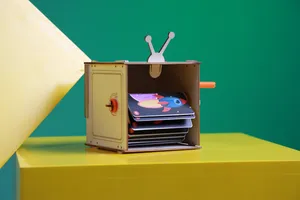
How Did Humans Begin Communicating?
Since very ancient times, humans have been communicating with each other in different ways. But to understand how this communication evolved, we need to look at ancient written records, the oldest of which date back to the civilization of Mesopotamia (modern-day Iraq). At that time, letters were not used; instead, writing began with pictures representing objects.
The Pre-Common Era
In the Sumerian city of Kish (modern-day Iraq), a stone tablet dating to 3500 BCE was discovered containing pictographic symbols that represent objects through visual resemblance, considered the oldest known writing.
Other writing systems appeared in China around 1200 BCE and in ancient America around 600 BCE.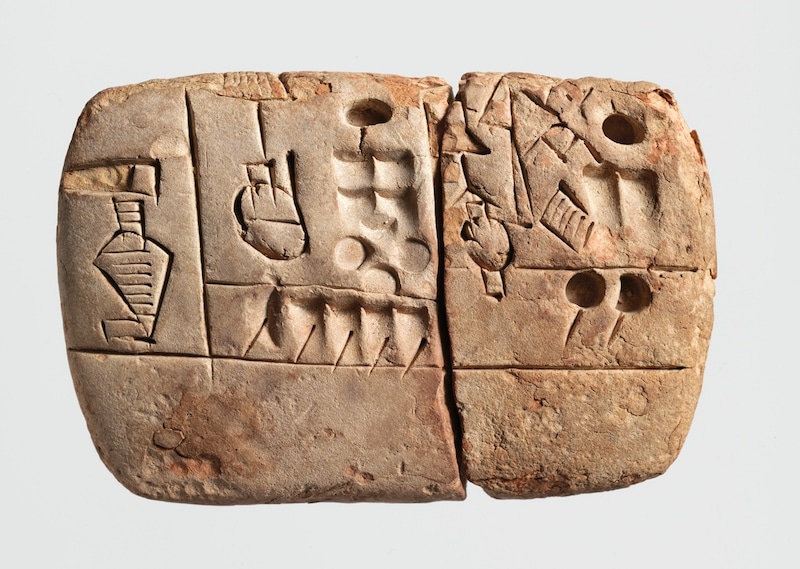
A proto-cuneiform tablet for administrative accounting containing entries related to barley grains. Source: Metropolitan Museum of Art, donated to Wikimedia Commons.
Letters and Sounds
Over time, writing evolved from pictures to symbols representing spoken sounds, called "phonetic writing." This method eventually led us to the letters we use today in the alphabet.
The earliest of these systems appeared in the Middle East, through Canaanite and Semitic peoples in Egypt.
Long-Distance Communication
Means of long-distance communication gradually began to appear. For example, the Greeks sent a carrier pigeon to deliver the results of the first Olympic Games in 776 BCE.
As the pre-Common Era drew to a close, long-distance communication methods became more common.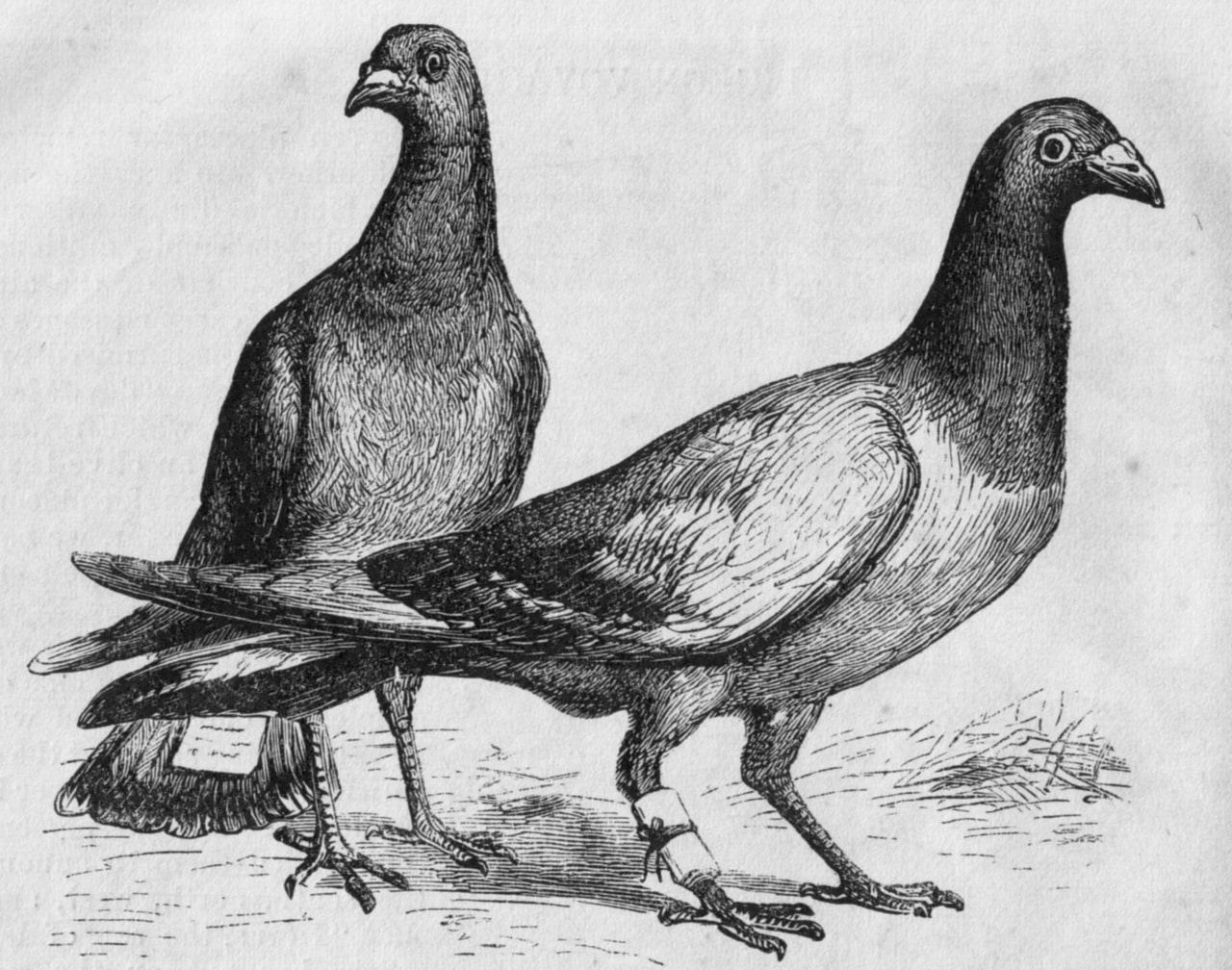
Pigeons with messages attached. Source: wikipedia.org
The Writing System in China
In the Far East, China was developing its own means of communication. With an advanced writing system and messenger services, China was the first to invent paper and its manufacture. In 105 CE, an official named Cai Lun suggested to the Emperor the use of tree bark, hemp remnants, cloth rags, and fishing nets instead of heavy bamboo or expensive silk.
A postage stamp featuring Cai Lun, the official credited with inventing paper, issued by the People's Republic of China in 1962. Source: en.wikipedia.org
The First Movable Type Printing
Later, between 1041 and 1048, the Chinese inventor Bi Sheng created the first movable type printing system using ceramic.
Although the technology developed later, the major transformation did not occur until the German Johannes Gutenberg invented the first metal movable type printing system in Europe between 1436 and 1450.
Photography
In 1826, the Frenchman Joseph Nicephore Niepce captured the first photograph in history.
In 1888, the American George Eastman invented the first roll-film camera and helped spread photography among the public.
View from the Window at Le Gras, 1826 or 1827, believed to be the oldest surviving photograph taken with a camera. Original image (left) and enhanced colorized reoriented version (right). Source: wikipedia.org
The Telegraph
During the same period, the electric telegraph was invented — a device that transmits messages using electrical signals over long distances. The American Samuel Morse developed the telegraph device and created Morse code to represent letters and numbers using dots and dashes.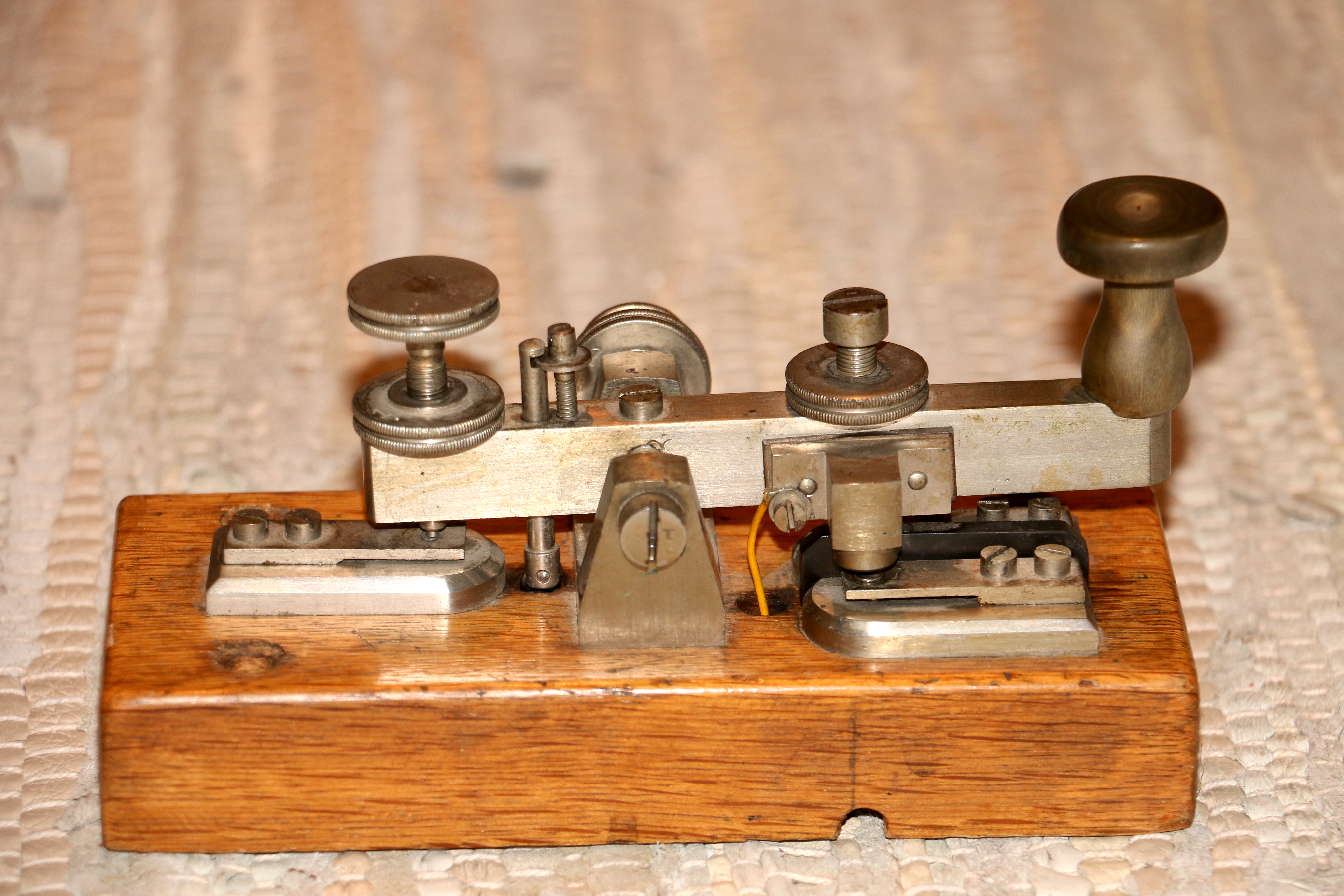
The telegraph. Source: en.wikipedia.org
The Telegraph box from BarqBoxes will help you learn more about the world of communications. It also provides everything you need to build your own BarqBoxes telegraph!
The Telephone
Then came the telephone. In 1876, Alexander Graham Bell received a patent for the telephone, which allowed voice transmission between distant locations.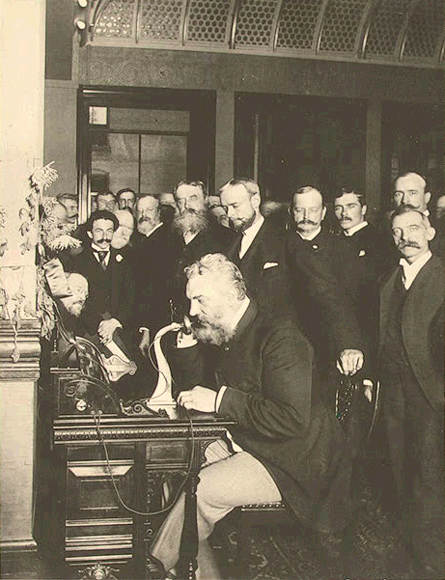
Graham Bell at the opening of a long-distance telephone line from New York to Chicago in 1892. Source: en.wikipedia.org
Satellite TV and Communication via Satellites
In the mid-twentieth century, satellites became part of human life, allowing news broadcasts and calls between continents. We no longer needed wires to transmit voice and image – everything was transmitted through space.
The Internet Changes Everything
In the 1990s, the internet entered the world, marking the major turning point in the history of communication. People could now send emails, chat, and share photos and videos with anyone in the world.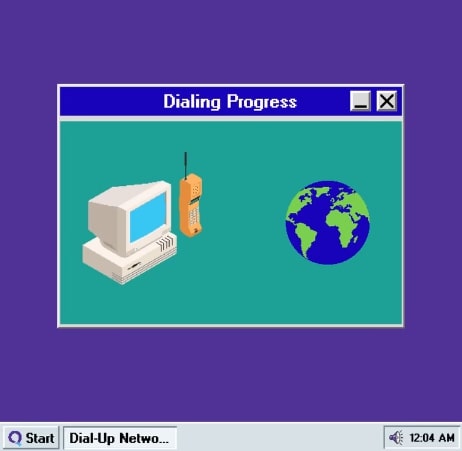
The internet and the 1990s.
Smartphones and Communication Apps
At the beginning of the twenty-first century, smartphones appeared, and people began using apps like WhatsApp, Facebook, and Instagram for quick, direct communication through voice, images, video, and even live streaming.
Artificial Intelligence and Communication Today
Today, artificial intelligence has also become part of our lives. We can talk to smart assistants, translate texts, reply to messages, and get quick multi-source answers — all within seconds.
Source: DC Studio/Freepik