Peer pressure, or the influence of peers on your child's behavior, can be positive or negative. Here is what you need to know to help your child cope with it.
Peer pressure is the influence exerted by friends, classmates, or people of the same age group on an individual, pushing them to behave in a certain way, either directly or indirectly. Peer pressure is usually viewed negatively, but in reality it is not always a bad thing. Sometimes peer pressure is used to create a positive impact as well, such as when teenagers encourage each other to achieve goals like academic excellence or community service.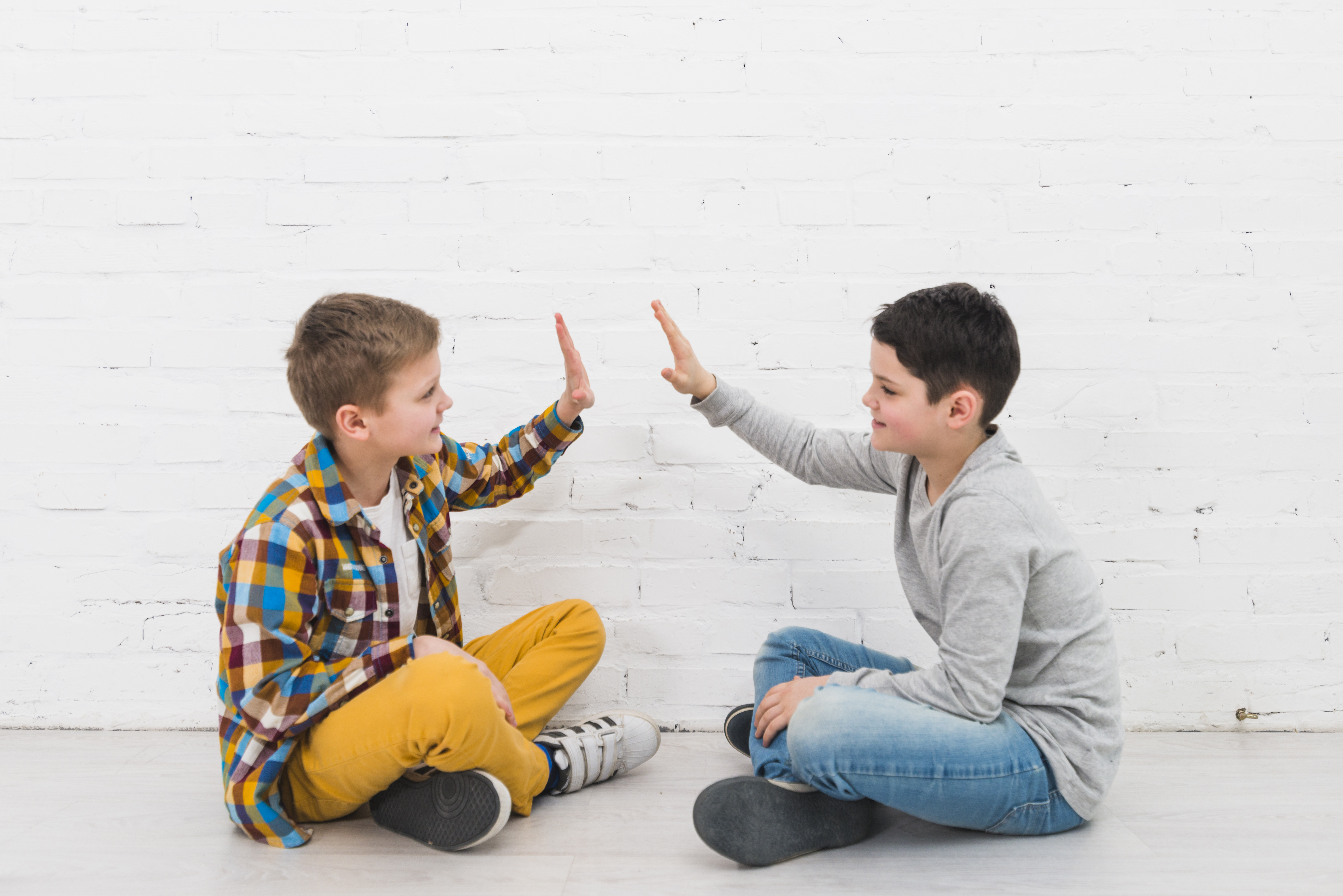
Source: freepik.com
Signs of Negative Peer Pressure
Negative peer pressure can range from direct, obvious pressure to indirect pressure, meaning some forms may be easier to notice than others.
The following signs may help you start a conversation with your child about the topic:
-Avoiding going to school or social situations.
-Being overly concerned about appearance.
-Changes in behavior.
-Expressing feelings of not belonging.
-Negative mood, including anxiety or depression.
-Comparing themselves to others.
-Difficulty sleeping.
-Trying new hairstyles or clothes.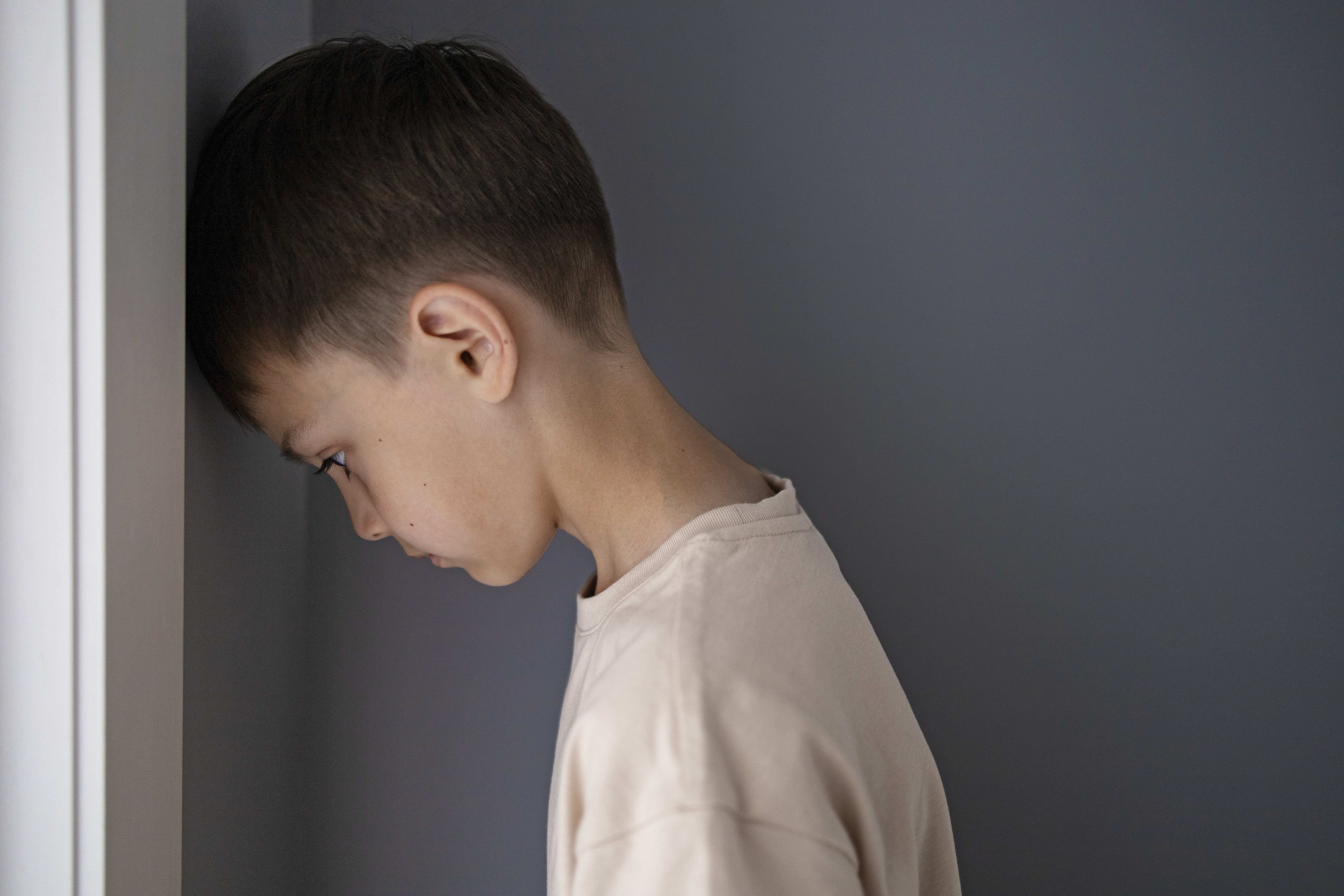
Source: freepik.com
Is It Peer Pressure or Something Else?
Many signs of peer pressure can also indicate other problems such as bullying or psychological disorders. Therefore, any change in a child's behavior or mood deserves investigation.
Tips to Help Children Deal with Peer Pressure
Here are some strategies to help your child cope with negative pressure:
-Help them plan ahead: Think with your child about what they might be asked to do that they do not want to do, and help them create a plan to handle the situation or walk away from it.
-Prepare an excuse or exit strategy: Train them to justify their refusal to participate. For example, some families use a code word that the child sends to a parent to receive a call that helps them leave the situation.
-Encourage healthy friendships: Having friends who share the same values reduces the chances of exposure to negative pressure.
-Help them identify someone they can turn to when needed, such as a teacher, relative, or counselor.
Finally, one of the most important things you can do to help your child is to talk to them about the subject. Teach them how to say "no," help them think independently, and support them in building their self-confidence. If you feel they are being negatively affected, show them that you are someone they can trust and help them create a plan to get out of bad situations.
Help your child explore the world of science and engineering in ways that spark their curiosity and hold their attention with our educational boxes! [Explore BarqBoxes]