What Is Renewable Energy?
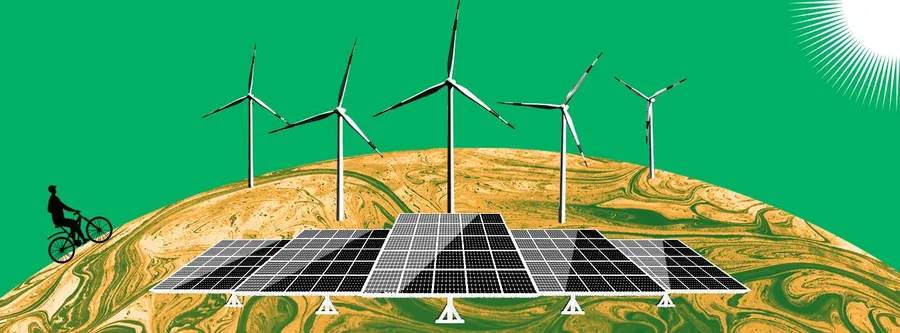
Renewable energy is energy derived from natural sources that are replenished faster than they are consumed. Sunlight and wind, for example, are sources that are continuously renewed. Renewable energy sources are abundant and available everywhere around us.
Fossil fuels — such as coal, oil, and gas — are non-renewable resources that take hundreds of millions of years to form. When fossil fuels are burned to produce energy, they release harmful greenhouse gas emissions, such as carbon dioxide.
Generating energy from renewable sources produces far fewer emissions than burning fossil fuels. Therefore, transitioning from fossil fuels — which currently account for the largest share of emissions — to renewable energy is essential for addressing the climate crisis.
Today, renewable energy sources have become cheaper in most countries around the world and provide three times more jobs than the fossil fuel sector.
Here Are Some Common Sources of Renewable Energy:
Solar Energy
Solar energy is the most abundant energy source, and it can be used even in cloudy weather. The amount of solar energy reaching the Earth exceeds humanity's energy consumption by about 10,000 times.
Solar energy technologies can provide heating, cooling, natural lighting, electricity, and fuel for multiple applications. These technologies convert sunlight into electrical energy either through photovoltaic panels or mirrors that concentrate sunlight.
Although solar energy is not equally available in all countries, every country can benefit from it in its energy mix.
The cost of manufacturing solar panels has dropped significantly over the past decade, making them an affordable option and often the cheapest for generating electricity. Solar panels last about 30 years and come in different colors depending on the materials used in their manufacture.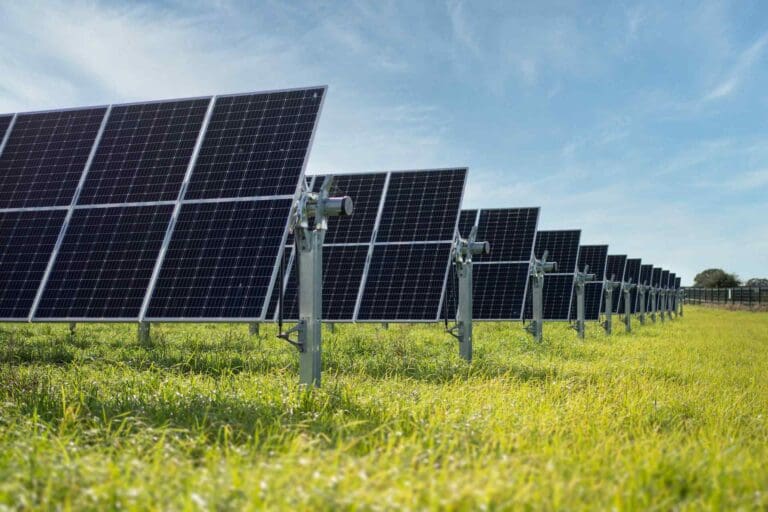
Solar panels converting sunlight into electricity.
Wind Energy
Wind energy harnesses the kinetic energy of moving air using large wind turbines installed on land (onshore) or in seas and bodies of water (offshore). Wind energy has been used for thousands of years, but its technologies have recently evolved to increase the amount of electricity produced through taller turbines and larger rotors.
Although wind speeds vary from region to region, the technical potential of wind energy exceeds the world's current electricity production, and significant potential exists in most regions of the world to deploy this technology.
Many regions around the world have strong winds, but the best locations for wind energy production may be in remote areas. Offshore wind energy offers enormous potential.
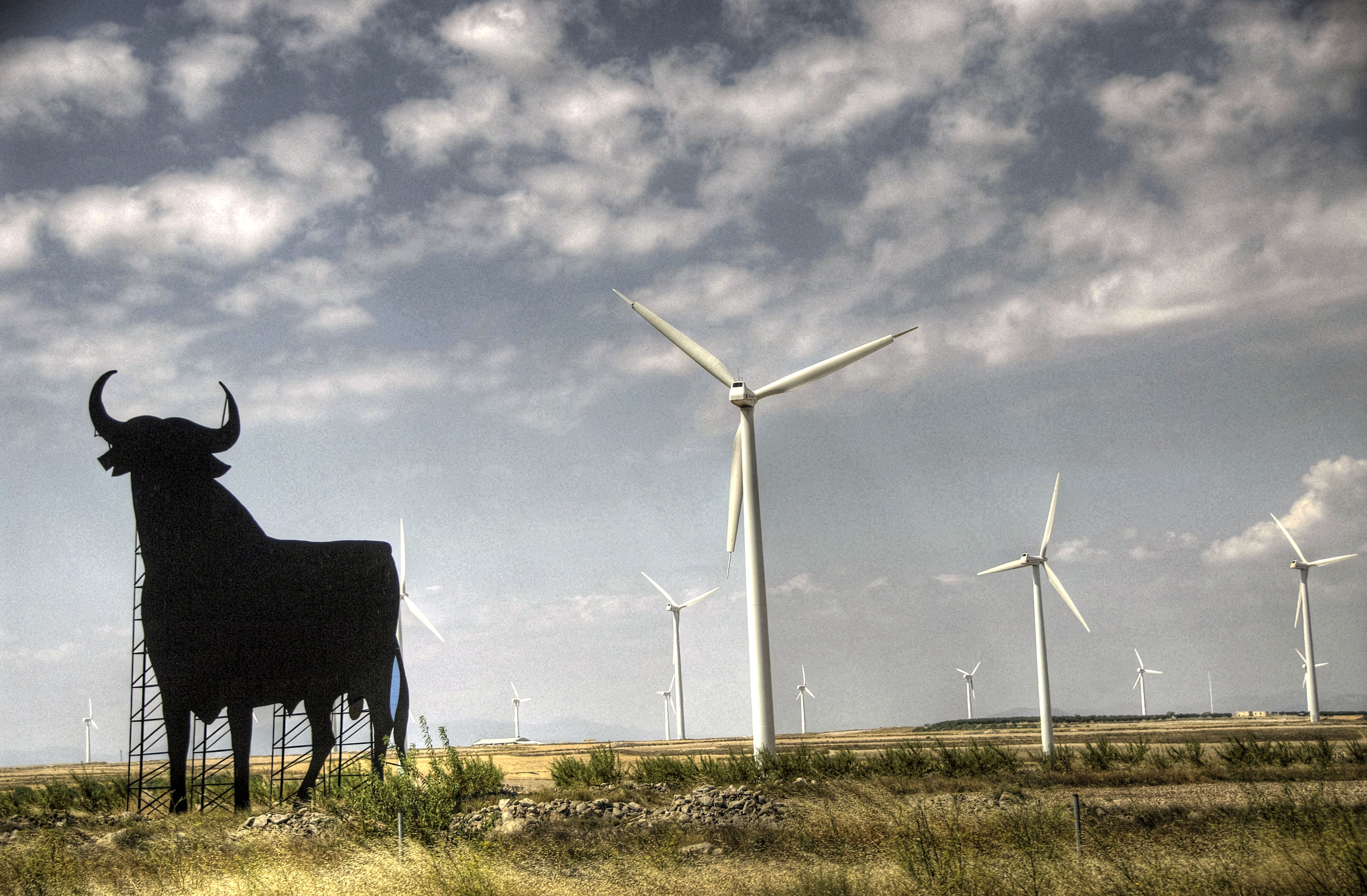
Wind turbines are typically installed in areas with strong winds. In the photo, wind power generators in Spain, near the Osborne bull. Source: gridserve.com
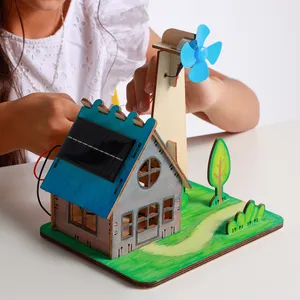
The Renewable Energy House box from BarqBoxes will help you understand renewable energy better through hands-on application of both wind and solar energy. Discover BarqBoxes' science boxes here!
Geothermal Energy
Geothermal energy uses heat available beneath the Earth's surface. This heat is extracted from underground thermal reservoirs using wells or other means.
Reservoirs that are naturally hot and permeable are known as hydrothermal reservoirs, while hot reservoirs whose permeability is enhanced through hydraulic stimulation are known as enhanced geothermal systems.
When hot fluids rise to the Earth's surface, they can be used at various temperatures to generate electricity. Electricity generation technologies from hydrothermal reservoirs are reliable and proven, having been in use for more than 100 years.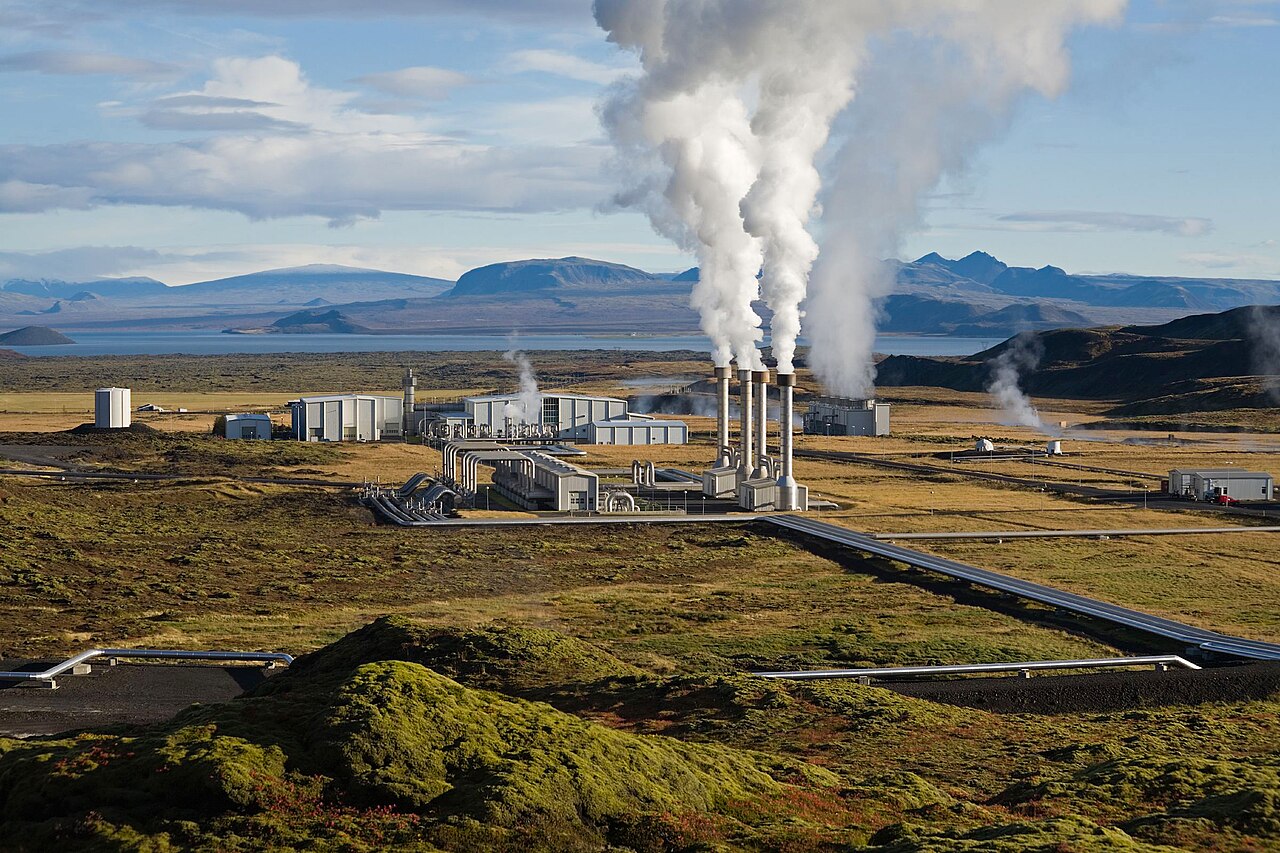
Steam rising from the Nesjavellir Geothermal Power Station in Iceland. Source: wikipedia.org
Hydropower (Water Energy)
Hydropower harnesses the movement of water from high to low elevations. It can be generated from dams and rivers. Dam-based hydropower plants rely on stored water, while run-of-river plants use the natural flow of water in rivers.
Hydropower reservoirs often serve multiple purposes, such as providing drinking water, irrigation, flood and drought protection, navigation services, and energy production.
Hydropower is currently the largest source of renewable energy in the electricity sector. However, it depends on stable rainfall patterns and can be negatively affected by droughts caused by climate change or environmental changes that alter rainfall patterns.
The infrastructure needed for hydropower can also negatively impact ecosystems. For this reason, small hydropower projects are considered more environmentally friendly and particularly suitable for remote communities.
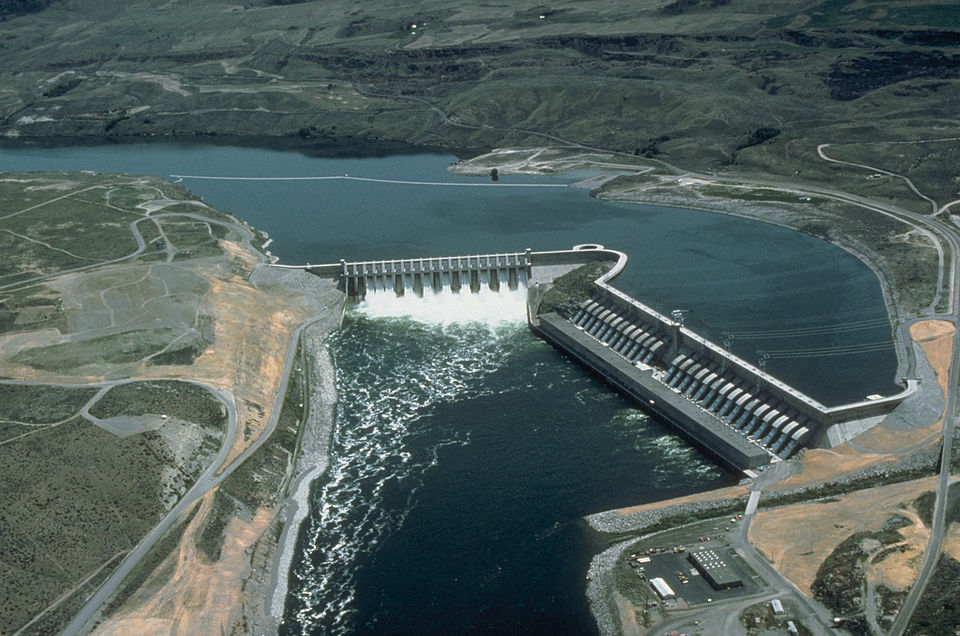
The Three Gorges Dam in China, a hydroelectric dam. Source: wikipedia.org